Image to 3D Model: AI Converter, Try Free

Requires 20 Credits

Choose whether to share your 3D model with our community gallery.

More options (seed, steps)

Controls randomness. Use the same seed to recreate identical results.

50

More steps produce higher quality but take longer to generate.

Upload an image above to start

⏱️ Most models are ready in about 1-3 minutes, sometimes longer when it's busy. Please keep this page open.

📸 Tip: Use images under 10MB for faster processing and fewer timeout issues

💡 Quick Tips

Be specific in your descriptions for better results

Use descriptive adjectives like "detailed", "realistic", "stylized"

Include material and texture preferences when relevant

🎯 Model Quality

⚡
Fast Generation
About 1-3 minutes
🎨
High Quality
Detailed mesh

📤 Export Formats

GLBSTL

Every model you generate is saved in My Models.
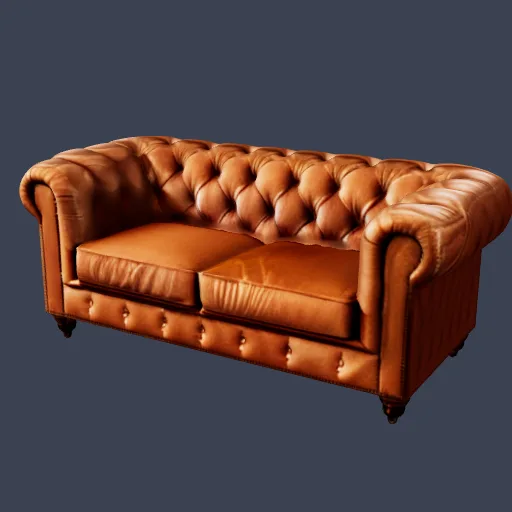
Image to 3D Model Converter

Upload a photo, picture or drawing of one object and the AI builds a textured 3D model in about 1-3 minutes. Download GLB for 3D software or STL to 3D print.

🖼️

Photo or 2D Image

Upload a PNG, JPG or WEBP picture of one object, up to 10 MB

🔍

Fills in the Hidden Sides

The AI guesses the back and sides that the picture does not show

⚡

Ready in Minutes

Most models take about 1-3 minutes, sometimes longer when it is busy

💾

GLB and STL

Textured GLB for 3D tools and games, or STL for 3D printing

Need a printable file? Try Image to STL →Same AI and the same credits, with the STL download first and step-by-step slicer instructions for Bambu Studio, OrcaSlicer and Cura.

More ways to use a photo

3D models made from photos and pictures

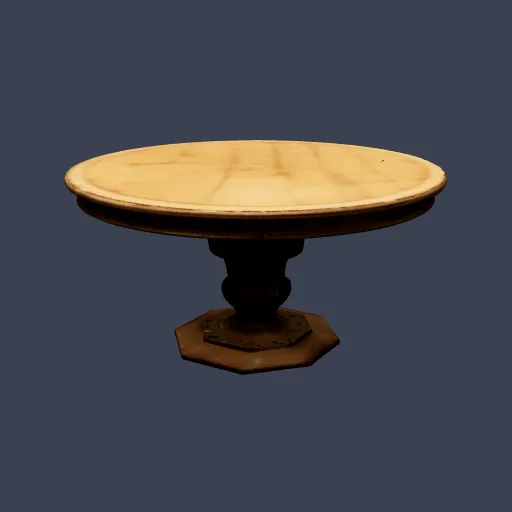
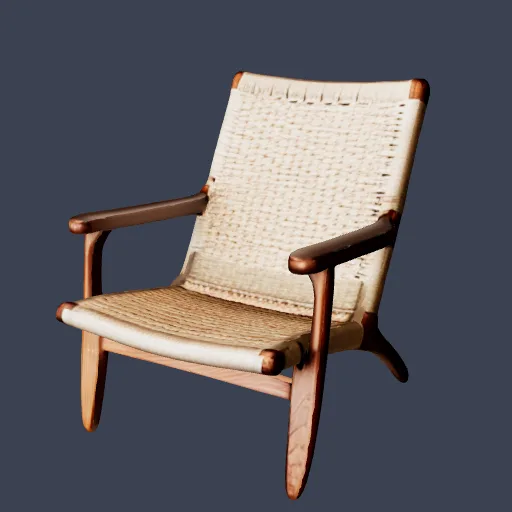
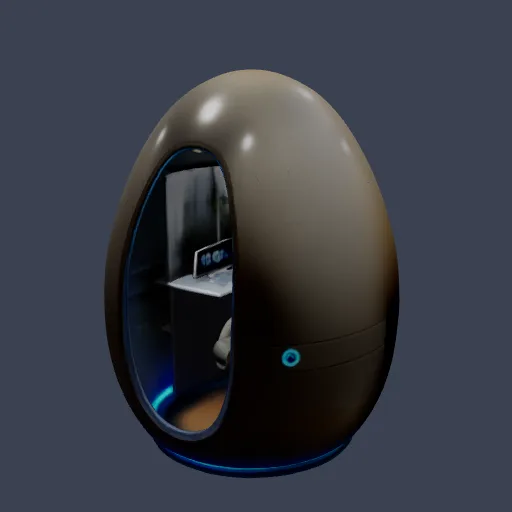
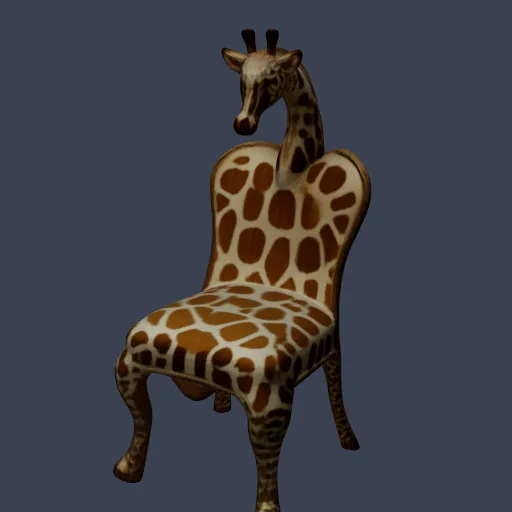
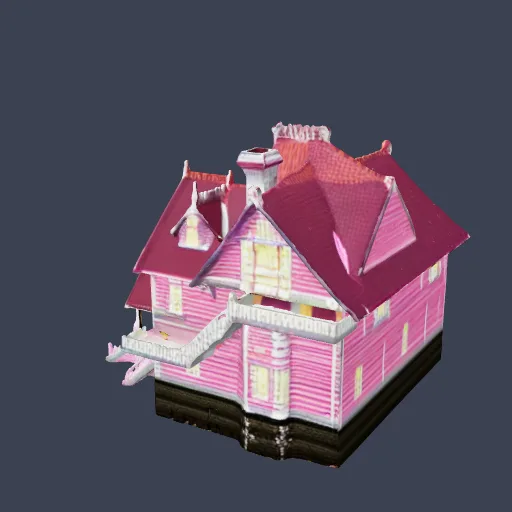
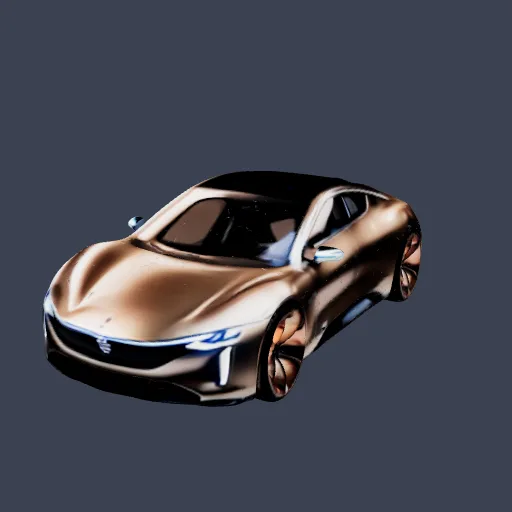
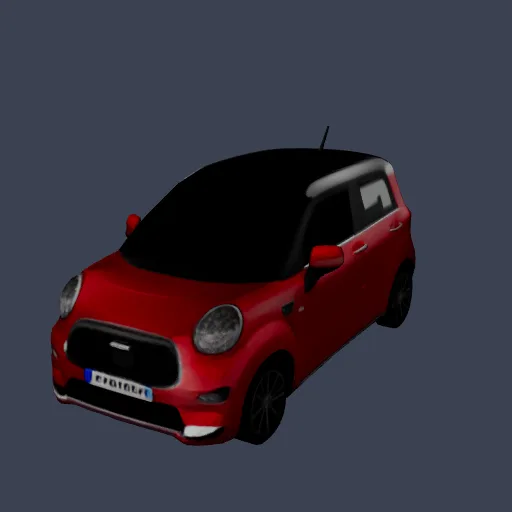
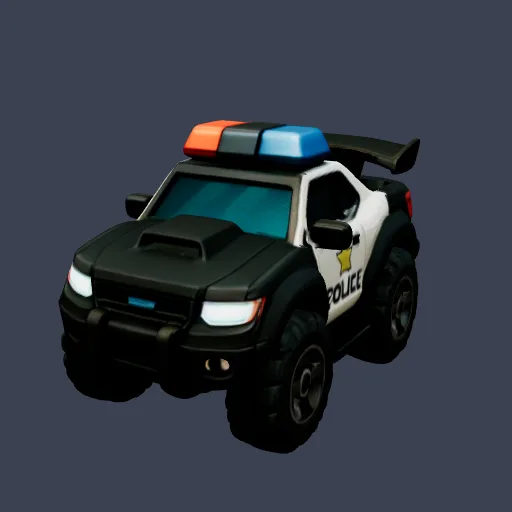
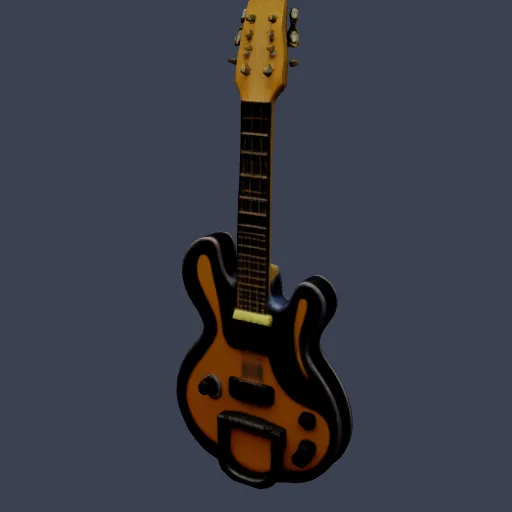
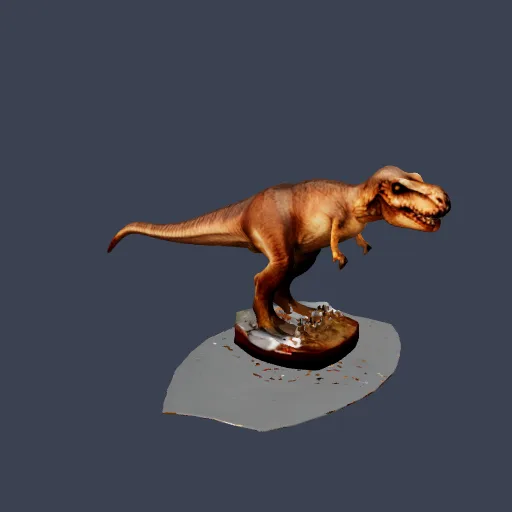
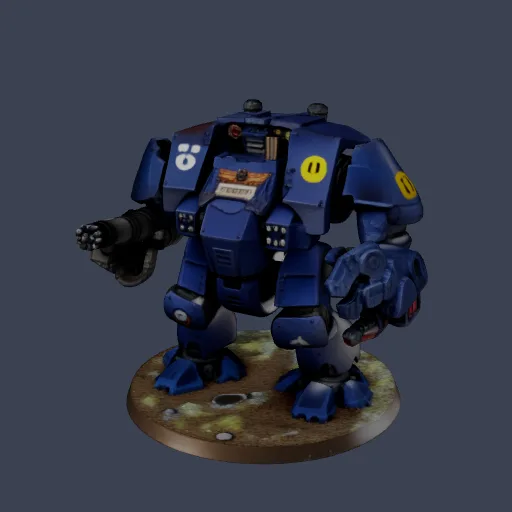
Real results from people who used this tool: each one started as a single photo or picture and came out as a textured 3D model. We show our own render of the 3D model, not the uploaded picture. Open any model to spin it around and see it from every side.

How to Turn an Image into a 3D Model

1

Upload your image

Choose a PNG, JPG or WEBP picture of one object, up to 10 MB. A clear photo on a plain background gives the best result.

2

Generate the 3D model

The AI builds a 3D shape from the picture and paints a colour texture on it. This takes about 1-3 minutes, so keep the page open.

3

Preview and download

Turn the model around in the preview. If it looks right, download GLB or STL. If not, change the seed or try a cleaner picture and run it again.

What makes a good input image

The model can only be as good as the picture, so a minute spent on the input pays off. Aim for this:

  • One object: Pictures of several things at once give a muddled shape.
  • Fully in frame: Keep the whole object inside the picture, with a little space around it.
  • Plain background: A wall, table or sheet of paper helps the AI tell the object from its surroundings.
  • Even, soft light: Avoid hard shadows and bright reflections, which can turn into false shapes.
  • Three-quarter angle: Show the front and one side. A flat straight-on view gives the AI less to work with.
  • Sharp and large: Use a clear picture that is not tiny or blurry, up to 10 MB.

Image to 3D versus photo scanning

Photo scanning needs many photos of a real object and measures its true shape. Image to 3D works from a single picture and guesses the sides it cannot see, so it is faster and needs no setup, but it is a good estimate rather than a measurement.

Have a few photos of the same object? Try Multi-View to 3D. Starting from a drawing? Use Sketch to 3D. Want a collectible version of a person or pet? See Photo to 3D Figurine. Prefer to start with words instead of a picture? Use text to 3D.

Want a physical copy of your model? The STL download opens in any slicer, and our image to STL converter page walks through the rest: which photos print best, scaling, supports and colour.

Use Cases & Applications

What people turn into 3D models from a single photo or drawing

🎮

Game assets from concept art

Turn concept art or a reference picture of a prop or creature into a 3D model for a prototype, then import the GLB into your engine

🖨️

3D print an object or a toy

Photograph a small object or toy and download an STL to print a copy or a variation. Set the size in your slicer

🛍️

Product mock-ups

See a product photo or sketch as a rotating 3D model before you build a real prototype

🎨

Art and illustration

Bring a drawing, painting or character design into 3D to view it from other angles

🌐

Web and AR viewers

GLB is a standard format for browser 3D viewers, so a converted picture can go straight onto a web page

📚

Teaching and visuals

Turn a picture of an object, animal or artefact from a lesson into a 3D model students can turn around

Technical Specifications for Image to 3D

Input Requirements

  • Input Type: One image (PNG, JPG or WEBP)
  • File Size: Up to 10 MB
  • Best Subject: A single object, fully in frame
  • Background: Plain or uncluttered works best
  • Prompt: Not needed, the image is the input

Output Specifications

  • Formats: GLB (textured) and STL (for 3D printing)
  • Generation Time: About 1-3 minutes
  • Cost: 20 credits per model
  • Inference Steps: Adjustable from 10 to 50
  • Seed: Reuse a seed to get the same result again

Frequently Asked Questions

You upload a picture of one object. The AI works out its 3D shape, guesses the sides and back the picture does not show, and paints a colour texture on it. You can preview the result and download a textured GLB, or an STL if you want to 3D print it.
New accounts get 20 free credits, and one image to 3D model uses 20 credits, so you can make one model for free. Monthly plans add more credits each month, and the pricing page lists the current plans.
PNG, JPG and WEBP files up to 10 MB. Photos, scans of drawings and renders all work, as long as the picture shows a single object.
One object, fully in the frame, on a plain background, in even soft light, from a three-quarter angle that shows the front and one side. Sharp, large and uncluttered pictures work best. Busy scenes, strong shadows, heavy reflections and objects that are cut off by the edge of the picture give weaker results.
Most models are ready in about 1-3 minutes. It can take longer when many people are generating at once. Keep the page open while it runs.
GLB, which includes the colour texture and opens in Blender, Unity, Unreal Engine, Godot and web 3D viewers, and STL for 3D printing. There is no direct FBX or OBJ download. If you need one, convert the GLB with the GLB to OBJ or GLB to FBX tools on this site.
Drawings work best when they show one clear object. People and pets can work, but results vary, and faces are a best guess. For a stylised keepsake of a person or pet, the Photo to 3D Figurine tool is made for that. For line drawings and sketches, use the Sketch to 3D tool.
It is not measurement accurate. Photo scanning, also called photogrammetry, needs many photos of the real object and measures its true shape. This tool uses one picture and the AI guesses the hidden sides, so the shape is a convincing estimate, not an exact copy. For exact dimensions, use a scanner or CAD.
Yes. The Multi-View to 3D tool takes two to four photos of the same object from different sides, which gives the AI more to work from than a single picture.
Yes. Download the STL and open it in a slicer such as Bambu Studio, OrcaSlicer or Cura. The model has no real-world size, so set the size in the slicer, and check thin parts before you print. The Image to STL page has step-by-step slicer instructions.
Yes. Open the GLB in Blender or any 3D tool that reads GLB to edit, retopologise, rig or render it. The model is a static mesh of up to about 10,000 faces with automatic UVs and a colour texture, and it has no skeleton.
Yes. Under our Terms of Service you keep the rights to the models you generate, on free and paid plans, as long as you have the rights to the picture you upload.
The most common causes are a cluttered background, an object that is cut off, strong shadows or a very small picture. Try a sharper image of one object on a plain background. You can also change the seed and run it again, because each seed gives a slightly different result.

Application Integrations

Seamlessly integrate with your favorite platforms and tools

Blender

Import GLB files directly into Blender for editing

Unity

Use generated models in Unity game development

Unreal Engine

Import GLB files into Unreal Engine projects

Sketchfab

Upload and share your 3D models on Sketchfab

Ready to Create Amazing 3D Models?

Join thousands of creators who are already using our AI-powered tools to bring their ideas to life.

View Example Gallery
No 3D modeling experience required
Generate models in minutes
Export in multiple formats
Commercial usage rights included